Installing an elevator in a Dubai building is a complex yet rewarding process, ensuring improved accessibility, convenience, and value. The city’s stringent regulations and high standards for safety and efficiency make it crucial to follow a well-structured installation guide. This article provides a detailed, step-by-step guide to elevator installation in Dubai buildings, covering all essential aspects from planning to maintenance.
Step 1: Initial Planning and Consultation
1.1 Assess Building Requirements:- Usage Type: Determine if the elevator will be used for residential, commercial, or industrial purposes.
- Capacity Needs: Assess the number of users, load capacity, and frequency of use to decide on the appropriate elevator type and size.
- Expert Advice: Engage a professional consultant or an elevator installation company to get expert advice on the best solutions for your building.
- Feasibility Study: Conduct a feasibility study to evaluate the structural requirements and identify potential challenges.
Step 2: Design and Specifications
2.1 Choose the Right Elevator:- Types: Select from passenger elevators, freight elevators, panoramic elevators, or home elevators based on your needs.
- Customization: Decide on the level of customization, including design, finishes, and advanced features. Installing Elevators
- Building Codes: Ensure the design meets Dubai’s building codes and safety regulations.
- Permits: Obtain all necessary permits and approvals from local authorities.
Step 3: Budgeting and Financing
3.1 Detailed Cost Estimation:- Breakdown Costs: Include costs for the elevator unit, installation, labor, permits, and any structural modifications required.
- Contingency Fund: Set aside a contingency fund (typically 10-15% of the total budget) for unexpected expenses.
- Payment Plans: Look into financing options and payment plans offered by elevator installation companies.
- Leasing Options: Consider leasing options for more manageable payments over time.
Step 4: Pre-Installation Preparation
4.1 Structural Modifications:- Shaft Construction: Ensure the elevator shaft is constructed or modified according to specifications.
- Electrical Upgrades: Upgrade the building’s electrical system if necessary to support the elevator’s power requirements.
- Clear the Area: Ensure the installation site is clear and accessible for the installation team.
- Safety Measures: Implement safety measures to protect workers and residents during installation.
Step 5: Elevator Installation
5.1 Delivery and Assembly:- Component Delivery: Coordinate the delivery of elevator components to the site.
- Assembly: Professional technicians assemble the elevator system according to the design specifications.
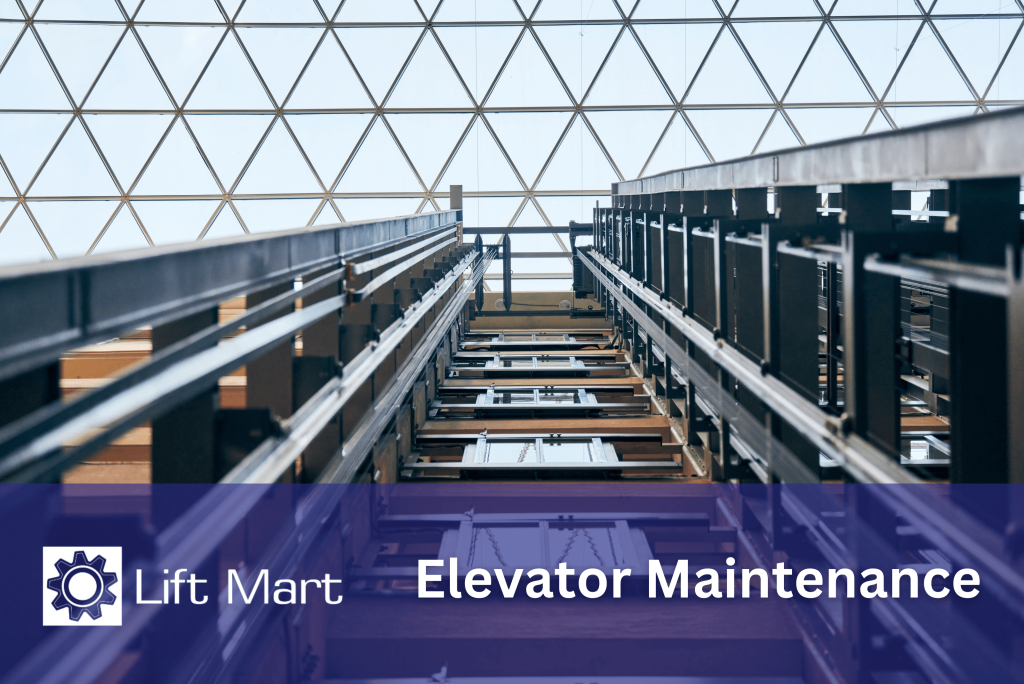
- Installation: Install the elevator car, rails, cables, and other mechanical components.
- Wiring: Connect the elevator system to the building’s electrical supply and integrate with the control systems.
Step 6: Testing and Inspection
6.1 Initial Testing:- Functional Tests: Conduct comprehensive testing of the elevator’s functionality, including door operations, speed, and safety features.
- Load Tests: Perform load tests to ensure the elevator can handle its maximum rated capacity. Installing Elevators
- Official Inspection: Arrange for an inspection by local authorities to verify compliance with safety standards and building codes.
- Certification: Obtain certification and approval for the elevator’s operation.
Step 7: Final Adjustments and Handover
7.1 Final Adjustments:- Calibration: Make final adjustments to optimize performance and ensure smooth operation.
- Finishing Touches: Complete any remaining cosmetic or functional details.
- Training: Provide training for building staff on operating and maintaining the elevator.
- Documentation: Hand over all relevant documentation, including operation manuals, maintenance schedules, and warranties.
Step 8: Maintenance and Support
8.1 Regular Maintenance:- Service Contracts: Establish a regular maintenance contract with a reputable service provider to ensure the elevator remains in optimal condition.
- Routine Checks: Conduct routine checks and maintenance as per the manufacturer’s guidelines.
- Emergency Support: Ensure there is a plan in place for emergency support and quick repairs to minimize downtime.
- Spare Parts: Keep an inventory of essential spare parts for quick replacements when needed. Installing Elevators